Acquisition #49 – 18/29 Pack: 13658 Capitol: Increasing Rent After Acquisition
Investment Overview
13658 Capitol was acquired as part of a 29-property portfolio. Initial capital improvements on this property brought the total interim cost basis to approximately $62,160.
The property was originally rented at $700 per month. Following acquisition, rent was increased to $1,250 per month.
Property Overview
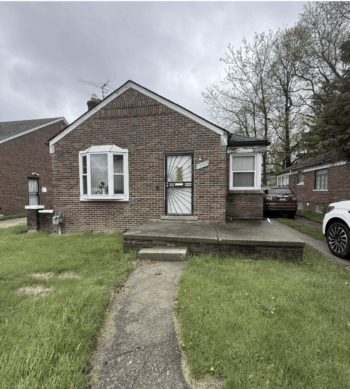
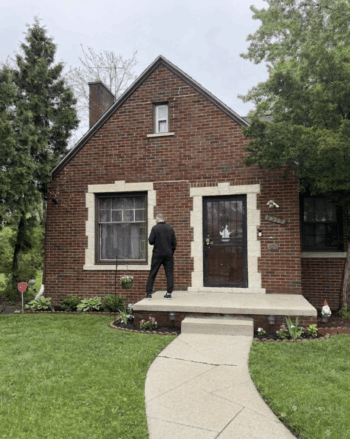
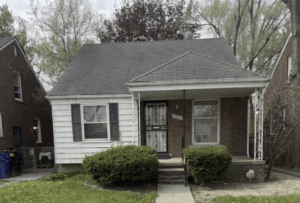
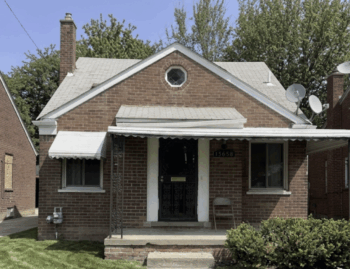
13658 Capitol is a 3-bedroom, 1-bathroom single-family home with approximately 764 square feet of living space. The property has been given a CapEx of $20,000 at closing due to the need to attend to the roof issue, which is shown in the original photo from before the closing. This has not been conducted as of the date of publication of this article.
Location
The property is located in the Paveway area near the Jeffries Freeway (I-96).
Nearby amenities include:
- Larry’s Market Inc, 4-minute drive
- Food Giant, 6-minute drive
- Superland Market, 7-minute drive
- DMC Sinai-Grace Hospital, 9-minute drive
Comparable Sales
13650 Thornton Street, Detroit, MI 48227 sold for $111,000.
The comparable sales utilized are provided for reference only. They may differ from the subject property in condition, interior features, renovations, size, occupancy, and other characteristics. When the subject property is occupied, its interior condition and features may not be directly comparable to those of vacant properties. When the property is a value-add, the repair quote is a forward projection that may or may not apply. Any value indicated based on these comparable sales is a guidance and should not be considered a definitive valuation across time.
This material is for informational purposes only and does not constitute an offer to sell or a solicitation of an offer to buy securities in Mutual Trust Management Advisors, LP. Any offering of securities is made only to verified accredited investors pursuant to Rule 506(c) of Regulation D under the Securities Act of 1933. The financial projections, including estimated cash-on-cash returns and property valuations, are forward-looking statements based on current assumptions. These figures are not guarantees of future performance. Real estate investments involve inherent risks, including the potential loss of principal. Past performance is not indicative of future results.